Self-Esteem Counselling in Adelaide and Online
You might look like you have it together while quietly feeling like you're not good enough.


Low self-esteem can impact every area of life: from how we see ourselves to how we relate to others.
You may be capable, caring and successful, but still find yourself questioning whether you're doing enough, getting things right or measuring up. You might compare yourself with other people, put your own needs last or find it difficult to accept compliments or recognise your strengths.
These patterns can affect how you see yourself, even when you know logically that you are capable and worthy.
EMDR is my primary therapeutic approach, and I use it to work with the experiences, beliefs, emotions and body responses that can sit underneath persistent low self-esteem and self-criticism.
You may have read about EMDR and be wondering whether it could help with the feeling that you're not good enough, even when you know logically that you are. Therapy can help you understand these patterns and work towards responding differently.
I also draw on Acceptance and Commitment Therapy (ACT), interpersonal and schema-informed approaches, self-compassion and nervous-system regulation where these are helpful.
I offer self-esteem counselling in North Adelaide and online across Australia.

What can low self-esteem look like?
Low self-esteem doesn't always look like a lack of confidence. You may be doing well in your work, relationships or everyday life while still having a persistent sense that you're falling short.
You might:
Feel not good enough even when you're doing well
compare yourself with other people
doubt your judgement or decisions
struggle to accept praise or recognise your achievements
worry about criticism or rejection
feel uncomfortable taking up space or asking for what you need
put other people's needs before your own
feel like you have to get things right
know you're capable but not feel that way emotionally
You don't need to identify with all of these. If persistent self-doubt or self-criticism is affecting your relationships, work, choices or sense of yourself, it may be worth exploring what is underneath it.

Where does low self-esteem come from?
There isn't always one obvious reason for low self-esteem.
The way you see yourself can be shaped by experiences such as criticism, rejection, bullying, difficult relationships, feeling different or not belonging, or growing up in an environment where your needs or emotions weren't consistently understood or valued.
Sometimes it is a number of smaller experiences over time rather than one significant event.
Over time, these experiences can contribute to beliefs such as “I'm not good enough”, “I don't matter” or “I can't trust myself”.
You can know something intellectually and still find that shame, anxiety or self-doubt shows up automatically.
If you'd like to explore this further, you can read more about low self-esteem and the feeling of not being good enough.

How low self-esteem can show up
A harsh inner critic
You might replay conversations, analyse mistakes, compare yourself with other people or focus on what wasn't quite right, even when things have gone well. Constant self-criticism can leave you anxious, exhausted or afraid of making mistakes.
Putting other people first
Keeping other people happy can sometimes feel like a way of staying safe, accepted or connected. You might avoid conflict, worry about disappointing people or feel guilty when you say no, leaving you disconnected from what you actually want or need.
Feeling like you have to get everything right
Perfectionism can make small mistakes feel much bigger than they are. You may feel you need to keep improving, preparing or checking because getting something wrong could mean criticism, rejection or disappointment.
Therapy can help you understand these patterns and make more room for your own needs, values and a more balanced view of yourself.

EMDR therapy for low self-esteem and negative beliefs
EMDR therapy is my primary therapeutic approach, and it can be particularly useful when low self-esteem is connected with experiences that have shaped the way you see yourself.
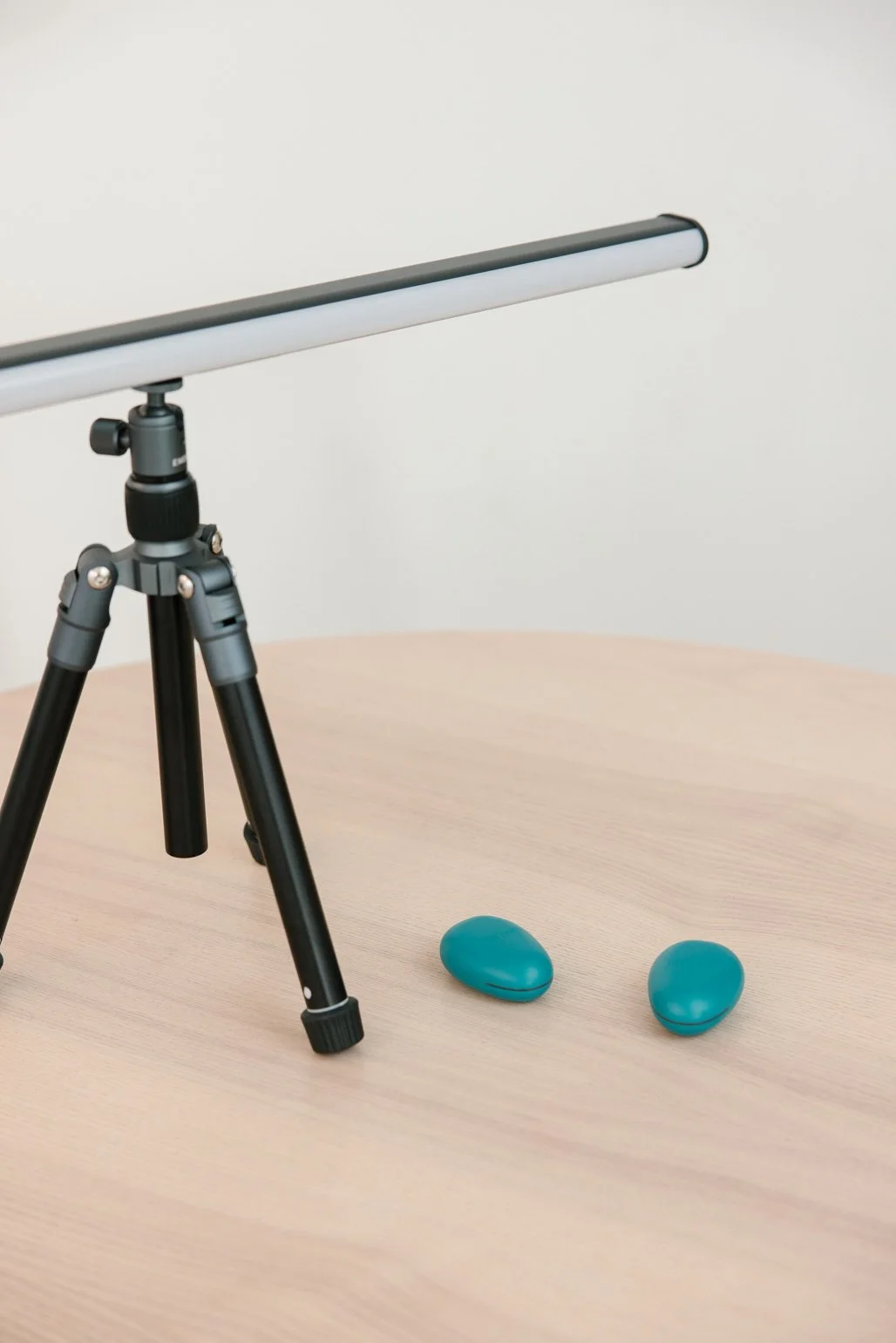
In EMDR therapy, we can work with experiences, memories, emotions, body responses and beliefs connected with these patterns. Rather than simply trying to change the way you think about yourself, we can work with experiences that may still be affecting how you respond in the present.
EMDR includes a preparation phase before processing. The early part of therapy gives us time to understand your history, identify important experiences and patterns, build the skills and resources you need, and make sure you feel prepared for processing.
When you're ready to begin processing, we work at a manageable pace and within a window of tolerance. You remain involved in decisions about the process, including the speed and amount of processing.
What if I know I'm capable, but I still don't feel good enough?
You might know that you're competent. Other people may tell you that you're doing well. You may have achievements that demonstrate your ability.
And yet, you still feel like you're falling short.
There can be a difference between knowing something intellectually and feeling it emotionally. When self-worth has become tied to achievement, mistakes or uncertainty can feel like evidence that you're not good enough, even when the evidence says otherwise.
Therapy can help you explore the experiences and beliefs underneath this pattern rather than simply telling yourself to be more confident or think positively.
If this sounds familiar, you may also find it helpful to read about impostor syndrome and the feeling of being a fraud.

FAQs
Can EMDR help with low self-esteem?
EMDR may be helpful when low self-esteem is connected with experiences, memories, beliefs or patterns that continue to affect how you see yourself.
We first take time to understand what is contributing to your difficulties and whether EMDR is an appropriate approach for you.
Can EMDR help with feeling “not good enough”?
Yes, EMDR can be used to work with experiences and beliefs connected with persistent feelings of not being good enough.
Rather than focusing only on changing the thought itself, EMDR allows us to work with the experiences, emotions, body responses and beliefs associated with the pattern.
What happens in the first few sessions?
Early sessions are focused on understanding what brings you to therapy, your history, current difficulties and what you would like to change.
If EMDR is appropriate, we also spend time on preparation, including developing resources and strategies to help you manage difficult emotions and stay within a manageable window of tolerance.
Processing does not automatically begin in the first session.
Self-esteem counselling in Adelaide and online
You don't have to keep working harder to finally feel good enough.
If self-criticism, people pleasing, perfectionism or persistent feelings of not being enough are affecting the way you live, therapy can help you understand where these patterns come from and work towards responding differently.
EMDR is my primary therapeutic approach, with other therapeutic approaches integrated where they are helpful.
Take the first step
I offer self-esteem counselling from my North Adelaide practice and online across Australia.
Appointments are available during the week and on Saturday mornings. If you are ready to work together, I invite you to book an appointment or get in touch with any questions.